
How to Prevent Overheating in Your Worm Reduction Gearbox
Overheating is one of the most common and costly issues faced in industrial gear systems. A Worm Reduction Gearbox is widely used for its compact design, high torque output, and smooth operation—but when it overheats, performance drops, efficiency declines, and long-term damage becomes inevitable. A high-quality Worm Reduction Gearbox plays a crucial role in reducing heat generation and ensuring efficient industrial performance.
For industries relying on continuous operations, preventing overheating is not just maintenance—it’s a necessity. In this guide, we’ll explore the key causes of overheating and practical strategies to keep your gearbox running efficiently.
Why Overheating Happens in Worm Reduction Gearboxes :
Before jumping into solutions, it’s important to understand the root causes.
1. Excessive Friction :
Worm gear systems naturally generate more friction due to sliding contact between the worm and gear. If lubrication is inadequate, friction increases significantly, leading to heat buildup. Heat generation in gear systems is directly influenced by gear friction basics and material interaction, which plays a critical role in overall efficiency.
Understanding these factors helps in selecting the right Worm Reduction Gearbox for long-term performance.
2. Improper Lubrication :
Using the wrong type of oil or insufficient lubrication can drastically affect temperature control. Poor lubrication reduces heat dissipation and increases wear.
3. Overloading the Gearbox :
When a gearbox operates beyond its rated capacity, it produces excess heat due to increased internal stress.
4. Poor Ventilation :
Lack of proper airflow around the gearbox can trap heat, causing the temperature to rise continuously.
5. Misalignment Issues :
Improper installation or shaft misalignment leads to uneven load distribution, increasing friction and heat generation.
Proven Ways to Prevent Overheating :
1. Choose the Right Lubricant :
One of the most effective ways to control temperature is proper lubrication.
- Use high-quality synthetic oils for better heat resistance
- Ensure correct viscosity as per manufacturer guidelines
- Regularly check and replace oil
2. Maintain Proper Load Conditions :
Avoid pushing your gearbox beyond its limits.
- Always operate within rated capacity
- Use torque limiters if required
- Monitor load variations
3. Ensure Adequate Cooling and Ventilation :
Heat dissipation plays a major role in gearbox performance.
- Install cooling fans or heat exchangers
- Maintain airflow around the gearbox
- Avoid enclosed spaces without ventilation
4. Regular Maintenance and Inspection :
Routine maintenance prevents small issues from turning into major failures.
- Check oil levels frequently
- Inspect seals and bearings
- Clean external surfaces to improve heat dissipation
5. Use High-Quality Gear Materials :
Material quality directly impacts heat resistance.
- Choose hardened steel or bronze gears
- Ensure proper manufacturing standards
- Invest in trusted brands like Gamma Gears
Understanding the Working principle of worm gear systems can help identify the root cause of overheating issues.
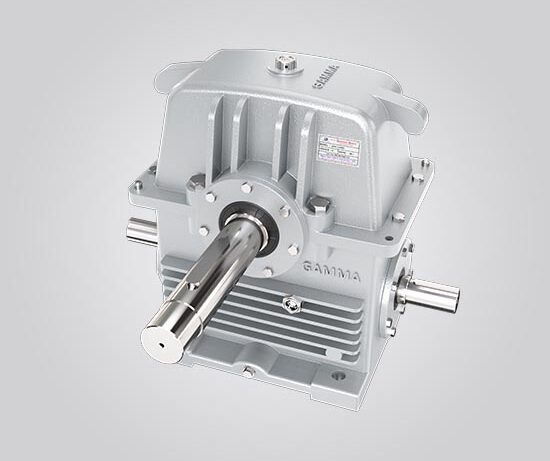
Signs Your Gearbox is Overheating :
Recognizing early warning signs can save you from costly repairs:
- Unusual noise or vibration
- Burning smell
- Reduced efficiency
- Frequent oil breakdown
- External surface too hot to touch
Benefits of Preventing Overheating :
Taking preventive measures offers multiple advantages:
- Longer gearbox lifespan
- Improved efficiency
- Reduced maintenance costs
- Better operational reliability
- Increased productivity
Why Choose Gamma Gears?
When it comes to reliability and performance, choosing the right manufacturer matters.
At Gamma Gears, we specialize in high-performance worm reduction gearboxes designed for:
- Superior heat resistance
- High load capacity
- Long operational life
- Energy efficiency
Our engineering expertise ensures that your machinery runs smoothly—even in demanding industrial conditions.
Overheating in a worm reduction gearbox is a serious issue—but it is completely preventable with the right approach. From proper lubrication and load management to regular maintenance and advanced monitoring, every step plays a crucial role in ensuring optimal performance.
By following these best practices and choosing a reliable manufacturer like Gamma Gears, you can significantly reduce downtime, improve efficiency, and extend the life of your gearbox.
Explore our high-performance Worm Reduction Gearbox solutions designed for durability, efficiency, and long-term reliability.
FAQs :
How do you prevent overheating in a worm reduction gearbox?
To prevent overheating in a worm reduction gearbox, ensure proper lubrication, avoid overloading, maintain correct alignment, and provide adequate ventilation or cooling systems. Regular maintenance and temperature monitoring also help reduce heat buildup.
What is the main cause of overheating in worm gearboxes?
The main cause of overheating is excessive friction between the worm and gear, often due to poor lubrication, high loads, or misalignment. Inadequate cooling can further increase temperature.
Which lubricant is best for worm reduction gearboxes?
High-quality synthetic gear oil with the correct viscosity is best for worm reduction gearboxes, as it reduces friction, improves heat dissipation, and extends component life.
Can overloading cause gearbox overheating?
Yes, overloading significantly increases internal stress and friction, leading to rapid heat generation and potential gearbox failure.
How often should worm gearbox oil be changed?
Worm gearbox oil should typically be changed every 3,000 to 5,000 operating hours, depending on working conditions and load.
Does gearbox alignment affect temperature?
Yes, improper alignment causes uneven load distribution, increasing friction and resulting in higher operating temperatures.
How can cooling systems help reduce gearbox heat?
Cooling systems such as fans, heat exchangers, or improved airflow help dissipate excess heat, maintaining optimal operating temperature and preventing damage.
What are the signs of an overheating worm reduction gearbox?
Common signs include unusual noise, vibration, burning smell, reduced efficiency, and excessively hot external surfaces.
How does maintenance help prevent gearbox overheating?
Regular maintenance ensures proper lubrication, clean components, and early detection of issues, which helps prevent overheating and extends gearbox life.
Why is proper ventilation important for gearboxes?
Proper ventilation allows heat to escape, preventing temperature buildup and ensuring stable gearbox performance in continuous operations.