
How Does a Reduction Gearbox Improve Machine Performance?
In modern industrial applications, efficiency, precision, and durability are essential for optimal machine performance. One of the most critical components that significantly enhances these aspects is the reduction gearbox. Whether used in manufacturing plants, conveyors, crushers, or heavy machinery, a gearbox plays a vital role in controlling speed and increasing torque. At Gamma Gears, we provide advanced Industrial Gearbox Solutions designed for high efficiency and durability.
We specialize in delivering high-performance gearbox solutions designed to improve productivity, reduce wear and tear, and ensure long-term operational reliability. But how exactly does a reduction gearbox improve machine performance? Let’s explore in detail.
What is a Reduction Gearbox?
A reduction gearbox is a mechanical device used to reduce the speed of a motor while increasing its torque output. It works by using a series of gears arranged in such a way that the output speed is slower than the input speed, but with significantly higher force.
This process is essential in applications where machines require more power rather than speed. For example, conveyor belts, mixers, and lifting equipment rely on high torque to function efficiently. According to Wikipedia, gearboxes are mechanical devices used to transmit power and control speed.
Key Ways a Reduction Gearbox Improves Machine Performance :
1. Increases Torque Output :
One of the biggest advantages of a gearbox is its ability to multiply torque. When speed is reduced, torque automatically increases, allowing machines to handle heavy loads with ease.
This is especially important in industries like:
- Mining
- Cement
- Steel
- Material handling
Higher torque ensures smoother operation and prevents motor overload, ultimately increasing machine lifespan.
2. Enhances Energy Efficiency :
Running a motor at full speed without control can waste a significant amount of energy. A gearbox optimizes the speed-torque balance, ensuring the motor operates efficiently without unnecessary power consumption.
By using a properly designed gearbox:
- Energy losses are minimized
- Operational costs are reduced
- Performance consistency is improved
This makes reduction gear systems a cost-effective solution for long-term industrial operations.
3. Provides Better Speed Control :
Precision is crucial in many industrial processes. A gearbox allows operators to control output speed according to application requirements.
For example:
- Conveyor belts need controlled speed for material handling
- Packaging machines require precise movement
- Mixers need regulated speed for uniform blending
Without proper speed control, machines may produce inconsistent results or even suffer damage.
4. Reduces Wear and Tear on Machinery :
Operating machines at improper speeds can cause excessive wear on components. A gearbox ensures that machinery runs within optimal limits, reducing stress on parts.
Benefits include:
- Lower maintenance costs
- Reduced downtime
- Longer equipment lifespan
This is particularly beneficial in heavy-duty environments where machines operate continuously.
5. Supports Versatile Industrial Applications :
Reduction gearboxes are used across a wide range of industries due to their adaptability. Some common applications include:
- Conveyor systems
- Crushers and grinders
- Textile machinery
- Food processing equipment
- Packaging systems
Their ability to deliver consistent performance makes them indispensable in modern industries.
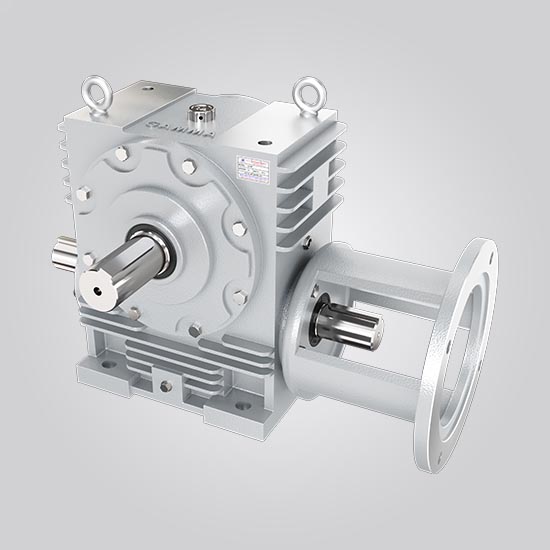
Types of Reduction Gearboxes :
Understanding different types of gearboxes can help in selecting the right one for your application.
1. Helical Gearbox :
Known for smooth and quiet operation, ideal for continuous applications. Among all types, Helical Gearboxes are widely preferred for their smooth operation and high efficiency in continuous applications.
2. Worm Gearbox :
Provides high reduction ratios and is commonly used in lifting equipment.
3. Planetary Gearbox :
Compact design with high efficiency, suitable for high-load applications.
4. Bevel Gearbox :
Used for changing the direction of power transmission.
How to Choose the Right Reduction Gearbox :
Selecting the right gearbox is crucial for maximizing performance. Here are some key factors to consider:
- Load requirements
- Input and output speed
- Torque capacity
- Efficiency
- Environmental conditions
Choosing the wrong gearbox can lead to inefficiency and frequent breakdowns.
Why Choose Gamma Gears?
At Gamma Gears, we are committed to delivering high-quality gearbox solutions tailored to industrial needs. Our products are designed with precision engineering to ensure:
- High efficiency
- Long service life
- Reliable performance
- Customization options
With years of expertise, we help industries achieve optimal machine performance through advanced gear technology.
A reduction gearbox is not just a mechanical component—it is a crucial element that directly impacts machine performance, efficiency, and durability. From increasing torque and controlling speed to improving safety and reducing wear, its benefits are indispensable in modern industrial applications.
Investing in the right gearbox solution can significantly enhance productivity and reduce operational costs. If you are looking for reliable and high-performance solutions, Gamma Gears offers the expertise and quality you can trust.
Selecting the right gearbox can significantly impact your machine’s efficiency and lifespan. If you need expert advice or a customized solution, don’t hesitate to Contact our team today.
FAQs :
What does a reduction gearbox do in a machine?
A reduction gearbox decreases the input speed of a motor while increasing torque output. This allows machines to operate more efficiently, handle heavier loads, and perform tasks with better control and precision.
How does a reduction gearbox improve machine performance?
A reduction gearbox enhances machine performance by optimizing speed and torque balance. It reduces energy waste, improves load handling, minimizes wear and tear, and ensures smoother and more reliable operation.
Why is torque important in industrial machinery?
Torque is essential because it determines a machine’s ability to perform heavy-duty tasks. Higher torque enables equipment to move loads efficiently, reduce strain on motors, and maintain consistent performance under varying conditions.
Does using a gearbox save energy?
Yes, a properly designed gearbox improves energy efficiency by ensuring the motor runs at optimal speed. This reduces unnecessary power consumption and lowers overall operational costs in industrial applications.
What industries use reduction gearboxes the most?
Reduction gearboxes are widely used in industries such as manufacturing, cement, mining, food processing, packaging, and material handling where controlled speed and high torque are required.
How does a gearbox reduce wear and tear on machines?
A gearbox controls speed and distributes load evenly, preventing excessive stress on machine components. This reduces friction, lowers maintenance needs, and extends the lifespan of equipment.
What are the main types of reduction gearboxes?
The most common types include helical gearboxes, worm gearboxes, planetary gearboxes, and bevel gearboxes. Each type is designed for specific applications based on torque, speed, and efficiency requirements.
How do I choose the right gearbox for my application?
To select the right gearbox, consider factors like load capacity, required torque, input/output speed, efficiency, and operating environment. Choosing a reliable gearbox manufacturer is also crucial for long-term performance.
Can a reduction gearbox improve machine safety?
Yes, by providing controlled power transmission, a gearbox reduces sudden jerks, overload risks, and mechanical failures. This ensures safer operation for both machines and workers.
Why should I invest in a high-quality industrial gearbox?
Investing in a high-quality gearbox ensures better efficiency, durability, and consistent performance. It reduces downtime, maintenance costs, and improves overall productivity in industrial operations.