
Worm Reduction Gearbox Selection Guide: How to Choose the Right Ratio?
Choosing the right gearbox is critical for ensuring efficient power transmission, smooth operation, and long-term reliability in industrial machinery. Among various gear systems, Worm Reduction Gearbox solutions are widely used for applications requiring high torque and controlled speed reduction.
However, one of the most important factors when selecting a gearbox is the gear ratio. Choosing the wrong ratio can lead to inefficiency, overheating, or even equipment failure. In this guide, Gamma Gears explains how to choose the right ratio for your application and maximize performance.
What Is a Gear Ratio in a Worm Reduction Gearbox System?
A gear ratio defines the relationship between the input speed and output speed of a Worm Reduction Gearbox. In simple terms, it tells you how much the speed is reduced and how much torque is increased.
For example:
- A 10:1 ratio means the input shaft rotates 10 times for every 1 rotation of the output shaft.
- Higher ratios = lower output speed + higher torque
- Lower ratios = higher output speed + lower torque
Why Gear Ratio Selection Is Important :
Selecting the correct ratio is not just about speed—it directly affects performance, efficiency, and durability.
Key Impacts:
- Proper torque delivery
- Energy efficiency
- Reduced wear and tear
- Stable machine operation
An incorrect ratio can overload the system or fail to deliver required performance.
Key Factors to Consider When Choosing the Right Ratio :
1. Load Requirements :
Understanding the load is the first step. Heavy loads require higher torque, which means a higher gear ratio.
Tip: Always calculate the required torque before selecting a gearbox.
2. Input Speed :
Input speed refers to the speed of the motor connected to the gearbox. The higher the input speed, the more reduction is required to achieve the desired output.
3. Output Speed Requirement :
Determine how slow or fast the output shaft should rotate. This will directly define the gear ratio you need.
Formula: Gear Ratio = Input Speed / Output Speed
4. Application Type :
Different industries have different requirements:
- Conveyors → High torque, low speed
- Packaging → Moderate speed, precision
- Lifts → Controlled motion with safety
5. Duty Cycle and Working Hours :
If your machinery runs continuously, you need a gearbox that can handle long operational hours without overheating.
6. Efficiency and Heat Generation :
Worm gear systems naturally generate more heat due to sliding contact. Choosing the correct ratio helps minimize heat loss and improves efficiency.
For applications requiring higher efficiency and smoother operation at higher speeds, many industries also use Helical Gearbox drive systems for industrial use.
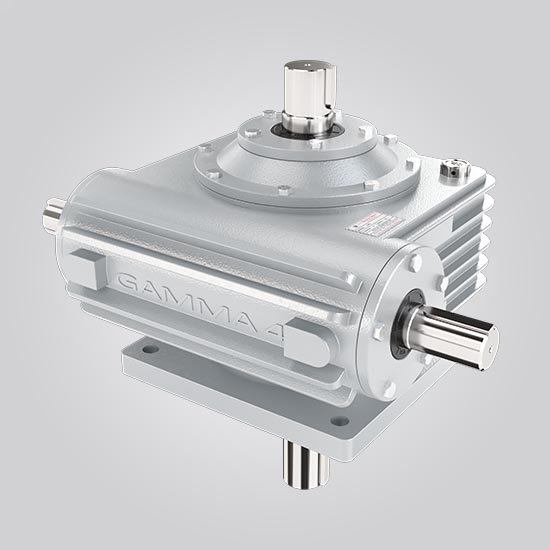
Benefits of Choosing the Right Worm Reduction Gearbox Ratio :
- Improved machine performance
- Reduced maintenance costs
- Better energy efficiency
- Longer equipment life
- Smooth and controlled operation
Why Choose Gamma Gears?
Gamma Gears is a trusted manufacturer of high-quality industrial gear solutions. Our products are designed to deliver precision, durability, and efficiency across a wide range of applications.
Our strengths:
- Custom ratio options
- High-quality materials
- Advanced manufacturing
- Reliable performance
When Should You Upgrade Your Gear System?
Consider upgrading if:
- Your machine overheats frequently
- You face inconsistent output speed
- Maintenance costs are rising
- Performance is declining
Selecting the right gear ratio is essential for ensuring efficient and reliable machine operation. By considering factors such as load, speed, application, and working conditions, you can choose the perfect gearbox for your needs.
At Gamma Gears, we help industries make the right choice with high-performance solutions tailored to specific requirements. Whether you need precision, durability, or efficiency, choosing the right Worm Reduction Gearbox ratio can make all the difference.
If you’re unsure about selecting the right ratio, Connect with Our Experts through our contact us page for personalized guidance.
FAQs :
What is the ideal gear ratio for a worm reduction gearbox?
The ideal gear ratio depends on your application’s speed and torque requirements. For high torque and low speed, higher ratios like 30:1 to 60:1 are commonly used, while lower ratios are suitable for faster operations.
How do I calculate the correct gearbox ratio?
You can calculate the gear ratio using this formula:
Gear Ratio = Input Speed ÷ Output Speed.
This helps determine how much speed reduction and torque increase is required for your machinery.
Why is gear ratio important in a worm gearbox?
Gear ratio directly affects torque, speed, and efficiency. Choosing the correct ratio ensures smooth operation, prevents overload, and increases the lifespan of your gearbox.
Which gear ratio is best for heavy-duty applications?
For heavy-duty applications like conveyors or industrial machinery, higher gear ratios such as 40:1, 50:1, or even 60:1 are ideal because they provide higher torque and better load handling.
Can a wrong gear ratio damage the gearbox?
Yes, selecting the wrong gear ratio can lead to overheating, excessive wear, reduced efficiency, and even gearbox failure due to improper load handling.
What factors should be considered when selecting a worm gearbox ratio?
Key factors include load requirements, input speed, desired output speed, application type, duty cycle, and operating conditions. Considering these ensures optimal performance.
Are worm gearboxes suitable for continuous operation?
Yes, worm gearboxes can be used for continuous operation if the correct ratio is selected and proper lubrication and cooling are maintained.
How does gear ratio affect torque in a worm gearbox?
Higher gear ratios increase output torque while reducing speed. This makes worm gear systems ideal for applications requiring controlled motion and heavy load handling.
What is the common gear ratio range for worm gearboxes?
Typical gear ratios range from 5:1 to 60:1 or higher, depending on the application. Higher ratios are used for precision control and high torque needs.
When should I upgrade my worm gearbox system?
You should upgrade when you notice frequent breakdowns, overheating, inconsistent speed, or rising maintenance costs. Upgrading ensures better efficiency and reliability.