
Why Helical Gearbox Is Replacing Spur Gears in Modern Industries
In today’s rapidly evolving industrial landscape, efficiency, durability, and performance are no longer optional—they are essential. As industries shift toward high-performance machinery and precision-driven operations, traditional gear systems are gradually being replaced by more advanced alternatives. One of the most significant transformations is the growing preference for Helical Gearbox systems over conventional spur gears.
At Gamma Gears, we have observed a clear industry trend: manufacturers across sectors are upgrading their machinery with advanced gear solutions to improve productivity, reduce noise, and minimize maintenance costs. But what exactly makes helical gearboxes superior, and why are they replacing spur gears in modern industries?
Let’s explore.
Understanding the Basics: Spur Gear vs Helical Gear Systems :
Before diving into the reasons behind this shift, it’s important to understand the fundamental difference between the two.
Spur gears have straight teeth mounted parallel to the gear axis. They are simple, cost-effective, and widely used in low-speed applications. However, they tend to produce noise and vibration at higher speeds.
In contrast, helical gear systems feature angled teeth that engage gradually rather than abruptly. This design results in smoother and quieter operation, making them ideal for high-load and high-speed industrial applications.
1. Superior Load Carrying Capacity :
One of the primary reasons industries are switching to advanced gear systems is their ability to handle higher loads.
Unlike spur gears, which make contact along a single line, helical gears distribute the load across multiple teeth simultaneously. This increases their load-bearing capacity significantly.
Why it matters:
- Ideal for heavy-duty applications
- Reduces stress on individual gear teeth
- Enhances operational reliability
2. Smooth and Quiet Operation :
Noise reduction is a major priority in modern industries, especially in sectors like packaging, food processing, and pharmaceuticals.
Helical gears engage gradually, resulting in minimal impact and reduced vibration. This leads to significantly quieter operation compared to spur gears.
Benefits include:
- Reduced workplace noise
- Improved machine lifespan
- Better operator comfort
3. Higher Efficiency at High Speeds :
While spur gears are efficient at low speeds, their performance drops as speed increases due to vibration and friction.
Helical gears, on the other hand, are designed for high-speed applications. Their gradual engagement reduces energy loss, ensuring consistent performance.
Key advantages:
- Better power transmission efficiency
- Suitable for continuous operations
- Reduced energy consumption
4. Longer Service Life :
Durability is a crucial factor when selecting industrial components. Frequent breakdowns not only increase maintenance costs but also lead to production downtime.
Helical gear systems are built to last. Their design minimizes wear and tear, ensuring a longer operational life compared to spur gears.
Why industries prefer them:
- Lower maintenance requirements
- Reduced downtime
- Higher return on investment
5. Better Shock Load Handling :
Industrial environments often involve sudden load changes and shock loads. Spur gears struggle in such conditions due to their abrupt tooth engagement.
Helical gears absorb shock loads more effectively due to their angled tooth design, making them more reliable in demanding environments.
Applications include:
- Cement plants
- Steel industries
- Heavy machinery
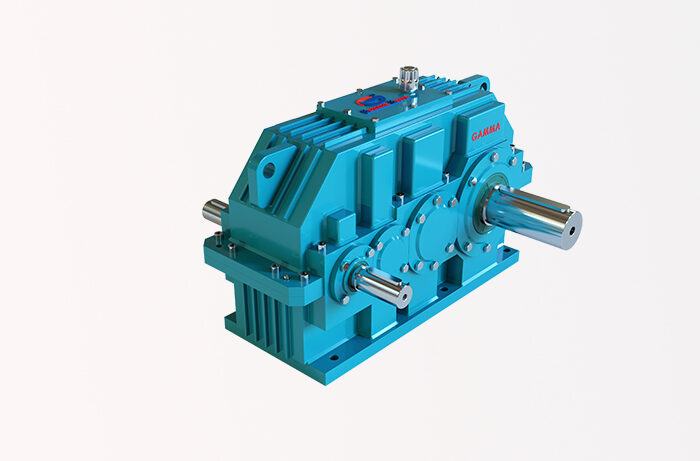
6. Versatility Across Industries :
Helical gear systems are highly versatile and used across a wide range of industries:
- Automotive
- Food processing
- Packaging
- Textile
- Power plants
Their ability to operate efficiently under varying loads and speeds makes them a preferred choice.
For applications requiring higher torque at lower speeds, many industries also consider using Worm Reduction Gearbox solutions alongside other gear systems.
7. Compact and Space-Efficient Design :
Modern industries are moving toward compact machinery designs to save space and improve efficiency.
Helical gearboxes offer high power density, meaning they can transmit more power in a smaller size compared to spur gears.
Advantages:
- Space-saving design
- Easier installation
- Better integration with modern machinery
8. Improved Reliability in Continuous Operations :
In industries where machines run 24/7, reliability is non-negotiable.
Helical gear systems are designed for continuous operation without performance degradation, making them ideal for production lines.
Why Gamma Gears Is the Preferred Choice :
If your current system uses spur gears, consider upgrading if you face:
- Excessive noise
- Frequent maintenance issues
- Limited load capacity
- Inefficiency at high speeds
Switching to a more advanced gear system can significantly improve your operational efficiency and reduce long-term costs.
If you’re planning to upgrade your machinery, feel free to connect with our experts through our Contact Us for the best solution.
The shift from spur gears to helical gear systems is not just a trend—it’s a necessity driven by the demands of modern industries. From higher efficiency and load capacity to quieter operation and longer lifespan, the advantages are undeniable.
Businesses that adopt advanced gear solutions are better positioned to improve productivity, reduce operational costs, and stay competitive in today’s market.
If you’re looking to upgrade your machinery or invest in reliable gear systems, Gamma Gears offers solutions designed for performance and durability.
To explore more detailed benefits, Read our Guide on advantages of helical gear systems in modern machinery.
FAQs :
What is the main difference between a helical gearbox and a spur gear?
The main difference lies in the tooth design. Spur gears have straight teeth, while helical gearboxes use angled teeth. This angled design allows smoother engagement, reduced noise, and higher load capacity, making helical gear systems more suitable for modern industrial applications.
Why are industries replacing spur gears with helical gearboxes?
Industries are switching to helical gearboxes because they offer quieter operation, higher efficiency, better load handling, and longer service life. These advantages help reduce maintenance costs and improve overall productivity.
Are helical gearboxes more efficient than spur gears?
Yes, helical gearboxes are generally more efficient in high-speed and heavy-load applications. Their gradual tooth engagement minimizes energy loss and ensures smoother power transmission compared to spur gears.
Do helical gearboxes reduce noise in industrial machines?
Yes, helical gearboxes significantly reduce noise levels. Their angled teeth create gradual contact, which minimizes vibration and impact, resulting in quieter machine operation—ideal for industries like packaging and food processing.
Where are helical gearboxes commonly used?
Helical gearboxes are widely used in industries such as automotive, cement, steel, food processing, packaging, and textile. They are preferred in applications requiring high efficiency, durability, and continuous operation.
Are helical gearboxes suitable for heavy-duty applications?
Yes, helical gearboxes are ideal for heavy-duty applications. They can handle higher loads because multiple teeth are engaged simultaneously, distributing the load more evenly and reducing wear.
What are the disadvantages of spur gears compared to helical gearboxes?
Spur gears tend to produce more noise and vibration, have lower load capacity, and are less suitable for high-speed applications. They also wear out faster under heavy loads compared to helical gear systems.
When should you upgrade from spur gears to a helical gearbox?
You should consider upgrading if your system experiences excessive noise, frequent breakdowns, high maintenance costs, or inefficiency at high speeds. Helical gearboxes provide a more reliable and long-term solution.
How do helical gearboxes improve machine lifespan?
Helical gearboxes reduce stress on individual gear teeth by distributing the load evenly. This minimizes wear and tear, resulting in longer service life and fewer maintenance requirements.
Which is better for industrial use: spur gear or helical gearbox?
For most modern industrial applications, helical gearboxes are the better choice due to their superior performance, efficiency, quieter operation, and ability to handle heavy loads continuously.