
How to Choose the Right Helical Gearbox for Industrial Applications
Selecting the right gearbox is critical for ensuring smooth operation, efficiency, and long-term reliability in industrial machinery. Among various options available, the helical gearbox stands out due to its high efficiency, durability, and ability to handle heavy loads.
However, choosing the right configuration is not just about picking a standard model—it requires a deep understanding of application requirements, operating conditions, and performance expectations.
If you’re planning to invest in a reliable power transmission system, this guide will help you make the right decision while improving machine performance and reducing operational costs. Explore our complete range of Industrial Gear Solutions designed for high performance and durability.
Understanding the Role of a Helical Gearbox in Industry :
A helical gearbox plays a vital role in transferring power between rotating shafts with maximum efficiency. Its angled gear teeth ensure gradual engagement, which reduces vibration and enhances load-carrying capacity.
These gear systems are widely used in:
Manufacturing units
Food processing plants
Steel and cement industries
Conveyor systems
Packaging machinery
Because of their versatility, selecting the correct gearbox becomes even more important for optimal performance.
Key Factors to Consider When Choosing a Helical Gearbox :
1. Load and Torque Requirements :
The first and most important factor is understanding your load conditions. Every application requires a specific torque capacity.
High torque → heavy-duty gearbox
Moderate torque → standard industrial gearbox
Choosing an under-capacity gearbox can lead to failure, while over-sizing increases cost unnecessarily.
2. Speed Ratio and Output Requirements :
Gearboxes are primarily used to adjust speed and torque. You must determine:
Input speed (motor speed)
Desired output speed
Required gear ratio
A properly selected ratio ensures efficient energy transfer and prevents overheating or mechanical stress.
3. Type of Application :
Different industries require different gearbox designs.
For example:
Continuous operations → heavy-duty gearbox
Precision machines → low vibration gearbox
Food industry → hygienic and corrosion-resistant gearbox
In industries like food processing, specialized systems such as Extruder duty helical gearboxes are widely used for continuous and high-load operations.
4. Mounting Type and Space Availability :
Helical gearboxes come in various mounting options:
Foot-mounted
Flange-mounted
Shaft-mounted
If your workspace is compact, an inline gearbox is usually the best choice. Always consider installation space before finalizing the gearbox.
5. Efficiency and Energy Consumption :
Efficiency directly impacts operating costs. Helical gearboxes are known for their high efficiency (up to 98–99%), but the actual performance depends on:
Gear quality
Lubrication
Load conditions
Higher efficiency means lower energy bills and better long-term savings.
6. Material and Build Quality :
The durability of a gearbox depends on the materials used in its construction.
Look for:
Hardened steel gears
High-quality bearings
Robust housing
Premium materials ensure longer lifespan and reduced maintenance costs.
7. Maintenance and Serviceability :
Industrial operations demand minimal downtime. Choose a gearbox that is:
Easy to maintain
Requires less frequent lubrication
Has easily replaceable parts
8. Operating Environment :
Environmental conditions play a crucial role in gearbox selection.
Consider:
Temperature
Dust and contamination
Moisture exposure
Chemical contact
For harsh environments, choose gearboxes with protective coatings and sealing systems.
9. Noise and Vibration Levels :
One of the biggest advantages of helical gear systems is their quiet operation. However, poor selection or installation can increase noise levels.
Choose a gearbox designed for:
Low vibration
Smooth engagement
Stable performance
This is especially important in industries like food and pharmaceuticals.
10. Manufacturer Reliability :
The performance of a gearbox depends heavily on the manufacturer. Choosing a trusted brand ensures:
Consistent quality
Better support
Custom solutions
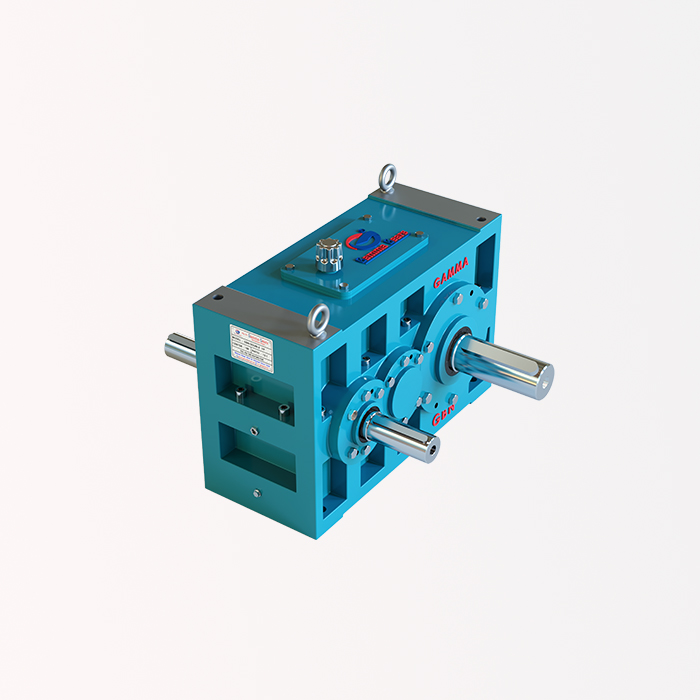
Why Gamma Gears Is the Right Choice for Industrial Gear Solutions :
When selecting a gearbox, working with a reliable manufacturer is just as important as choosing the right specifications.
Gamma Gears is known for delivering high-performance, precision-engineered gearboxes designed for industrial applications.
Key Advantages:
Advanced manufacturing technology
High-quality materials
Custom-built solutions
Strict quality control
Long-lasting performance
Common Mistakes to Avoid When Selecting a Gearbox :
Avoiding these mistakes can save both time and money:
Ignoring load requirements
Selecting the wrong gear ratio
Overlooking environmental conditions
Choosing low-quality materials
Skipping regular maintenance
Making an informed decision ensures long-term efficiency and reliability.
Future Trends in Helical Gearboxes :
Modern industrial gear systems are evolving with new technologies:
Smart gearboxes with IoT monitoring
Energy-efficient designs
Lightweight yet durable materials
Reduced maintenance systems
These advancements are helping industries improve productivity and reduce operational costs.
Choosing the right helical gearbox is essential for ensuring efficient, reliable, and long-lasting industrial operations. By considering factors such as load capacity, speed ratio, application type, and environmental conditions, you can make a well-informed decision.
A high-quality gearbox not only improves machine performance but also reduces maintenance costs and downtime.
Need expert advice? Feel free to Get in touch with Our team for the best solution for your application.
FAQs :
How do I choose the right helical gearbox for my application?
To choose the right helical gearbox, consider load capacity, torque requirements, speed ratio, mounting type, and operating environment. Selecting the correct specifications ensures efficient performance, reduced wear, and longer service life in industrial applications.
What factors should be considered when selecting a helical gearbox?
Key factors include torque, input and output speed, gear ratio, efficiency, material quality, maintenance needs, and environmental conditions. Proper evaluation of these parameters helps in selecting a reliable and high-performing gearbox.
How do I calculate the required torque for a helical gearbox?
Torque can be calculated using the formula: Torque = Power / Speed. Understanding the required torque ensures the gearbox can handle the load without failure or performance issues.
What is the ideal gear ratio for a helical gearbox?
The ideal gear ratio depends on the application’s speed and torque requirements. A higher gear ratio provides more torque but reduces speed, while a lower ratio increases speed with less torque.
Which industries commonly use helical gearboxes?
Helical gearboxes are widely used in manufacturing, food processing, cement, steel, packaging, and conveyor systems due to their high efficiency, durability, and ability to handle continuous operations.
What is the difference between inline and bevel helical gearboxes?
Inline helical gearboxes have parallel shafts and are compact, while bevel helical gearboxes are used for angular power transmission. The choice depends on machine design and space constraints.
How does operating environment affect gearbox selection?
Environmental factors such as temperature, dust, moisture, and chemicals impact gearbox performance. For harsh environments, gearboxes with proper sealing, coatings, and corrosion resistance should be selected.
What are the common mistakes when selecting a helical gearbox?
Common mistakes include ignoring load requirements, selecting the wrong gear ratio, overlooking environmental conditions, and choosing low-quality materials. These can lead to inefficiency and early failure.
How important is maintenance in helical gearbox performance?
Regular maintenance is essential to ensure smooth operation, prevent breakdowns, and extend lifespan. Proper lubrication, inspection, and timely servicing improve efficiency and reduce downtime.
Why choose Gamma Gears for industrial helical gearboxes?
Gamma Gears provides high-quality, precision-engineered gearboxes designed for industrial applications. Their solutions offer durability, efficiency, and customization, making them a reliable choice for long-term performance.