
Reduction Gearbox Maintenance Guide: Improve Efficiency & Lifespan
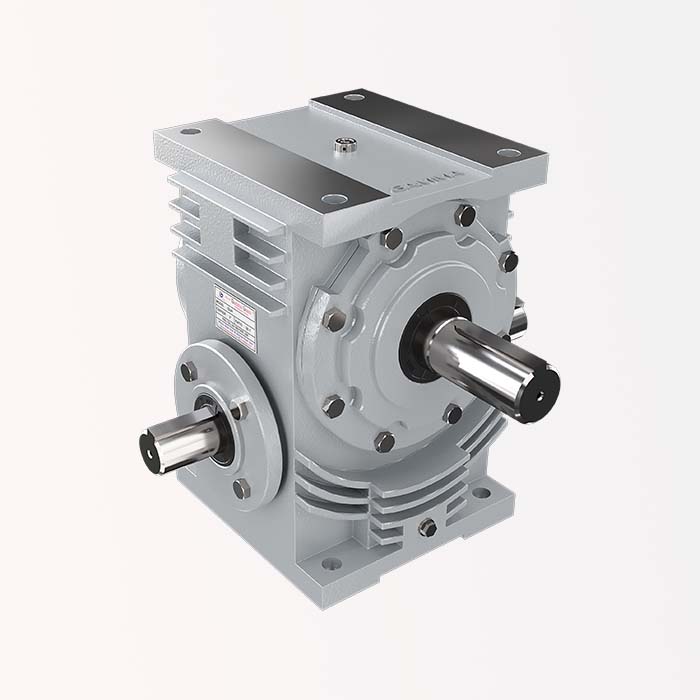
Reduction gearbox play a critical role in industrial machinery by controlling speed and increasing torque. Whether used in manufacturing plants, conveyors, or heavy-duty equipment, their performance directly impacts operational efficiency and productivity.
However, like any mechanical system, gearboxes require regular maintenance to function optimally. Poor maintenance can lead to unexpected downtime, increased operational costs, and reduced equipment lifespan.
In this comprehensive guide by Gamma Gears, we will explore practical maintenance strategies that help improve gearbox efficiency and extend its lifespan—ensuring maximum return on your investment.
Why Gearbox Maintenance is Crucial :
A Reduction Gearbox operates under high stress, load, and friction. Over time, wear and tear are inevitable. Without proper maintenance, even the most robust gearbox can fail prematurely.
Key Benefits of Regular Maintenance:
- Improved efficiency and performance
- Reduced downtime and repair costs
- Extended equipment lifespan
- Enhanced safety and reliability
Routine inspections and preventive care help detect issues early, preventing costly breakdowns and production losses.
Common Issues in Reduction Gearboxes :
Understanding common problems is the first step toward effective maintenance.
1. Lubrication Failure :
Improper lubrication is one of the leading causes of gearbox failure. Insufficient or contaminated oil increases friction and heat.
2. Overheating :
Excessive heat can damage internal components and degrade lubricants, reducing efficiency.
3. Gear Wear and Tear :
Continuous operation leads to surface wear, pitting, or cracks in gears.
4. Misalignment :
Improper alignment can cause uneven load distribution, leading to premature failure.
5. Contamination :
Dust, debris, and moisture entering the gearbox can severely impact performance.
Essential Maintenance Practices :
1. Regular Lubrication Checks :
Lubrication is the lifeblood of any gearbox. Ensure:
- Proper oil levels
- Use of recommended lubricant type
- Timely oil replacement
Dirty or degraded oil can significantly reduce efficiency and increase wear.
2. Routine Inspection and Monitoring :
Regular inspections help identify issues before they escalate.
Check for:
- Unusual noise or vibration
- Oil leaks
- Temperature fluctuations
- Gear wear patterns
Using condition monitoring tools can further improve detection accuracy.
3. Temperature Control :
Overheating is a major concern in gearbox operation. Maintain proper ventilation and cooling systems to prevent excessive heat buildup.
Install temperature sensors if possible, to monitor real-time performance.
4. Alignment and Installation Accuracy :
Proper alignment ensures even load distribution across gears. Misalignment can lead to:
- Increased vibration
- Noise
- Accelerated wear
Always ensure precision during installation and periodic alignment checks.
In many applications, choosing the right gear type such as a Helical Gearbox for smooth and efficient power transmission can significantly improve performance.
5. Cleaning and Contamination Prevention :
Keep the gearbox environment clean to prevent contamination.
Tips:
- Use proper seals
- Regularly clean external surfaces
- Avoid exposure to dust and moisture
Contamination can significantly reduce gearbox efficiency and lifespan.
Advanced Maintenance Strategies :
Predictive Maintenance :
Modern industries are shifting toward predictive maintenance using sensors and data analysis.
Benefits:
- Early fault detection
- Reduced downtime
- Cost savings
Technologies like vibration analysis and oil condition monitoring help predict failures before they occur.
Scheduled Preventive Maintenance :
Create a maintenance schedule based on:
- Operating conditions
- Load requirements
- Manufacturer guidelines
A structured plan ensures consistent performance and avoids unexpected breakdowns.
Signs Your Gearbox Needs Immediate Attention :
Ignoring warning signs can lead to major failures.
Watch out for:
- Unusual grinding or whining noise
- Excessive heat
- Oil leakage
- Sudden drop in efficiency
If any of these signs appear, immediate inspection is necessary.
How Maintenance Improves Efficiency :
A well-maintained gearbox operates smoothly with minimal energy loss.
Efficiency Improvements Include:
- Reduced friction
- Optimal torque transmission
- Lower energy consumption
This directly translates to cost savings and improved productivity for industries.
Why Choose Gamma Gears?
At Gamma Gears, we specialize in delivering high-quality gearbox solutions tailored to industrial needs.
What Sets Us Apart:
- Precision engineering
- Durable and efficient designs
- Custom solutions for various industries
- Reliable after-sales support
Our expertise ensures that your machinery operates at peak performance with minimal downtime.
Maintenance is not just an option—it’s a necessity for ensuring the efficiency and longevity of reduction gearboxes. By implementing proper lubrication, regular inspections, and advanced monitoring techniques, businesses can significantly reduce costs and improve operational performance.
Investing in maintenance today ensures uninterrupted productivity tomorrow.
For industries looking to maximize efficiency and reliability, Gamma Gears offers the expertise and solutions needed to stay ahead. Need expert guidance or a custom solution? Contact our gearbox specialists today for professional support.
FAQs :
What is a reduction gearbox and how does it work?
A reduction gearbox is a mechanical device used to reduce the speed of an input shaft while increasing torque output. It works by using a set of gears with different sizes, where the larger gear rotates slower but delivers higher torque. This makes it essential for industrial machinery that requires controlled speed and high power.
How often should a reduction gearbox be maintained?
A reduction gearbox should be inspected regularly and maintained every 3 to 6 months, depending on operating conditions. High-load or continuous-use applications may require more frequent checks, including lubrication, alignment, and temperature monitoring.
What are the signs of gearbox failure?
Common signs of gearbox failure include unusual noise, excessive vibration, overheating, oil leakage, and reduced efficiency. Identifying these symptoms early helps prevent major breakdowns and costly repairs.
Why is lubrication important in gearbox maintenance?
Lubrication reduces friction between moving parts, prevents wear, and helps dissipate heat. Proper lubrication ensures smooth operation, improves efficiency, and significantly extends the lifespan of the gearbox.
How can gearbox efficiency be improved?
Gearbox efficiency can be improved by regular maintenance, proper lubrication, correct alignment, and avoiding overloading. Using high-quality components and monitoring operating conditions also helps maintain optimal performance.
What causes overheating in a reduction gearbox?
Overheating is usually caused by insufficient lubrication, excessive load, poor ventilation, or internal friction. Regular monitoring and proper cooling systems can help prevent overheating issues.
What type of oil is best for a reduction gearbox?
The best oil for a reduction gearbox depends on its application, load, and operating environment. Typically, high-quality industrial gear oils with proper viscosity and thermal stability are recommended for optimal performance.
How long does a reduction gearbox last?
With proper maintenance, a reduction gearbox can last anywhere from 10 to 20 years. Regular inspections, timely lubrication, and avoiding operational stress are key factors in extending its lifespan.
What is the difference between preventive and predictive maintenance?
Preventive maintenance involves scheduled servicing at regular intervals, while predictive maintenance uses real-time data and monitoring tools to detect potential failures before they occur. Both methods help improve reliability and reduce downtime.
How do I choose the right gearbox for my application?
Choosing the right gearbox depends on factors like load requirements, speed ratio, torque, operating environment, and application type. Consulting experts like Gamma Gears ensures you get the most efficient and durable solution.