
Role of Worm Reduction Gearboxes in Enhancing Efficiency of Asphalt Batch Mix Plants
In the construction and road-building industry, asphalt batch mix plants play a pivotal role in producing quality asphalt mixtures that form the backbone of durable pavements and highways. With growing infrastructure demands worldwide, the efficiency and reliability of asphalt batch mix plants are critical. Among the numerous mechanical and electrical components that influence asphalt batch mix plant performance, Gamma Gears worm reduction gearbox stands out as a key driver of operational efficiency and reliability.
Worm Reduction Gearbox for Asphalt Batch Mix Plants
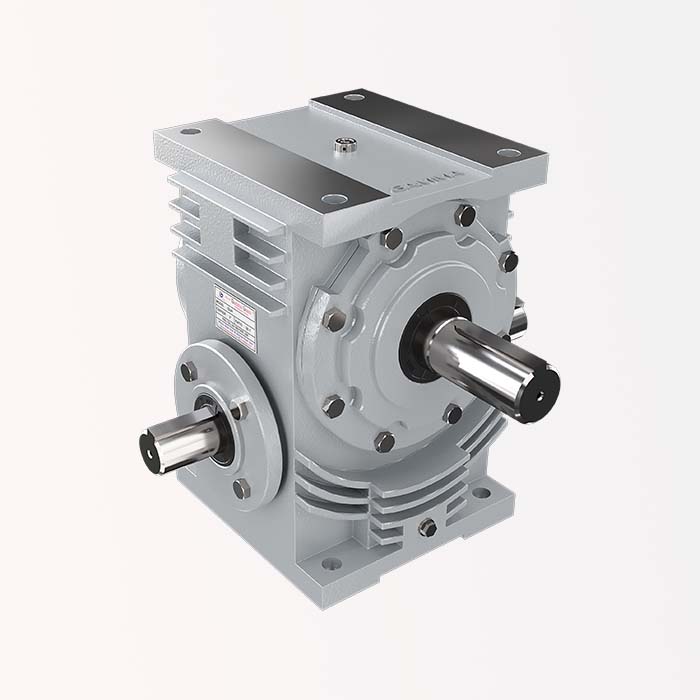
A worm reduction gearbox is a mechanical transmission device composed of a worm and a worm wheel. The worm meshes with the teeth of the worm wheel, converting high-speed, low-torque input into low-speed, high-torque output. This simple yet robust architecture makes it ideal for heavy-duty asphalt batch mix plants applications where torque multiplication and controlled speed are essential.
Unlike other types of gear systems, worm gearboxes provide high reduction ratios in a single stage, making them compact and cost-effective for asphalt batch mix plants industrial applications. Gamma Gears have inherent self-locking gearbox properties — meaning the output shaft cannot easily drive the input shaft — which enhances safety and load-holding capability.
Critical Functions in Asphalt Batch Mix Plants
Cold Aggregate Feeders
Gamma Gears worm gearboxes control the speed of feeder belts and gates, ensuring accurate material flow rates. Proper feeding directly impacts the quality of the final asphalt batch mix plants mixture.
Aggregate Elevators
Gamma Gears gearboxes power bucket elevators responsible for lifting aggregates to higher sections of the asphalt batch mix plant. The high torque output ensures smooth lifting even when handling heavy loads.
Mixing Drums and Pugmills
Consistent rotation and precise speed control in mixing units are vital for achieving uniform asphalt blends. Gamma Gears worm reduction gearboxes contribute to this by stabilizing the rotational speed of mixing blades.
Conveyors and Feeders
Horizontal and inclined conveyors use gearboxes to maintain the correct speed and torque required for transporting aggregates, filler, and reclaimed asphalt.
Enhancing Efficiency Through Precise Speed Control
One of the primary ways, Gamma Gears worm reduction gearboxes enhance efficiency is by providing precise speed control. Asphalt batch mix plants depend on the synchronized operation of feeders, conveyors, and mixing units. Even small variations in speed can lead to material segregation, inconsistent mixing, and waste.
Gamma Gears worm gearboxes offer a stable and smooth reduction ratio that minimizes speed fluctuations. This stability ensures that:
- Feeders deliver consistent aggregate quantities
- Conveyors maintain uniform material flow
- Mixers operate at controlled speeds for better blend quality
The result is not only higher quality asphalt but also reduced rework and material wastage.
Torque Multiplication for Heavy-Duty Operations
In asphalt batch mix plants, asphalt production involves moving and processing large volumes of heavy materials. High starting torque is essential to initiate movement, especially when equipment is laden with aggregates. Gamma Gears worm reduction gearboxes excel in torque multiplication, allowing motors to operate at optimal speeds while the gearbox amplifies torque at the output. This high torque capability results in:
- Reduced motor strain
- Lower energy consumption
- Less frequent motor overheating
- Longer component life
By reducing stress on the drive motor and other mechanical components, Gamma Gears worm gearboxes indirectly contribute to energy savings and lower maintenance costs.
Compact Design and Space Efficiency
Asphalt batch mix plants are space-intensive installations with many mechanical subsystems tightly integrated. The compact nature of Gamma Gears worm reduction gearboxes allows them to be installed in locations where larger gear systems wouldn’t fit. This space efficiency leads to:
- Simpler mechanical layouts
- Reduced overall asphalt batch mix plants footprint
- Easier access for maintenance
A compact gearbox also reduces the need for additional coupling or intermediate transmission systems, which can be sources of power loss and misalignment. Gamma Gears plant engineers, managers, and maintenance teams, understanding the importance of a well-designed gearbox system is essential for both performance optimization and long-term reliability. As infrastructure projects continue to expand globally, the demand for robust and efficient asphalt production technology in asphalt batch mix plants — including worm reduction gearboxes — will only grow stronger.
Self-Locking and Safety Benefits
Another often-overlooked advantage of worm gearboxes is their self-locking characteristic. Because the worm drives the worm wheel at a steep angle, it prevents reverse motion unless an external force is applied. In an asphalt batch mix plant, this can be especially valuable in systems such as feeder gates and elevators where uncontrolled back-driving could lead to material overflow or safety hazards.
Self-locking reduces reliance on additional braking systems or mechanical locks, simplifying the design and improving operational safety.
The worm reduction gearbox plays a vital role in enhancing the efficiency of asphalt batch mix plants by offering precise speed control, high torque multiplication, compact design, safety through self-locking, and durable performance. By optimizing material handling and mixing processes, these gearboxes ensure consistent product quality, lower operational costs, and improved asphalt batch mix plant productivity.
Durability and Maintenance Ease
Worm reduction gearboxes used in asphalt batch mix plants environments are typically fabricated from hardened steel and cast iron, designed to withstand heavy loads, dust, and temperature variations. With proper lubrication and periodic inspection, these gearboxes can run for thousands of hours with minimal wear.
Reduced maintenance translates into more uptime for the plant — a key factor in industries where asphalt batch mix plants production schedules are tight and downtime is costly.